
Picture this.
It’s 2020. The world has gone silent. Streets are empty, shops are shut, and stadiums—the once roaring temples of cricket—look like ghosts of their past selves. No chants echoing through stands, no painted faces, no energy. Just the eerie hum of nothing. For a sport that thrives on noise, passion, and people, it was heartbreaking.
And yet, in that stillness, one man picked up his bat and kept the heartbeat going.
Steve Smith.
The guy with the odd stance, twitchy mannerisms, and that laser focus that makes him look like he’s solving calculus on the pitch. He didn’t just play cricket that year—he rescued it.
While the rest of the world was figuring out Zoom calls and banana bread recipes, Smith was out there in the middle, shadow-batting in his living room, imagining bouncers and cover drives, waiting for the world to reopen. And when it finally did, even in those empty, echoing stadiums, he gave us something we desperately needed—a reminder of why we love this beautiful, maddening game.
The ICC crowned him “Test Cricketer of the Decade,” and man, he earned it. But 2020 alone? That was his personal symphony. Tests, ODIs, T20s—he was everywhere, turning silence into sound, and despair into pure cricketing joy.
Let’s take a deep dive, one format at a time.
Tests: The Crease Was His Home
Test cricket in 2020 felt like the world’s longest lockdown movie. Empty grounds, strict bio-bubbles, and a kind of mental grind no stat can measure. Imagine playing against the world’s fiercest bowlers without a single cheer from the crowd to lift you. Most players struggled. But Steve Smith? He looked like he’d been born for it.
After that heroic 2019 Ashes comeback—where he silenced the ghosts of the sandpaper scandal—Smith entered 2020 not with a point to prove, but a throne to guard.
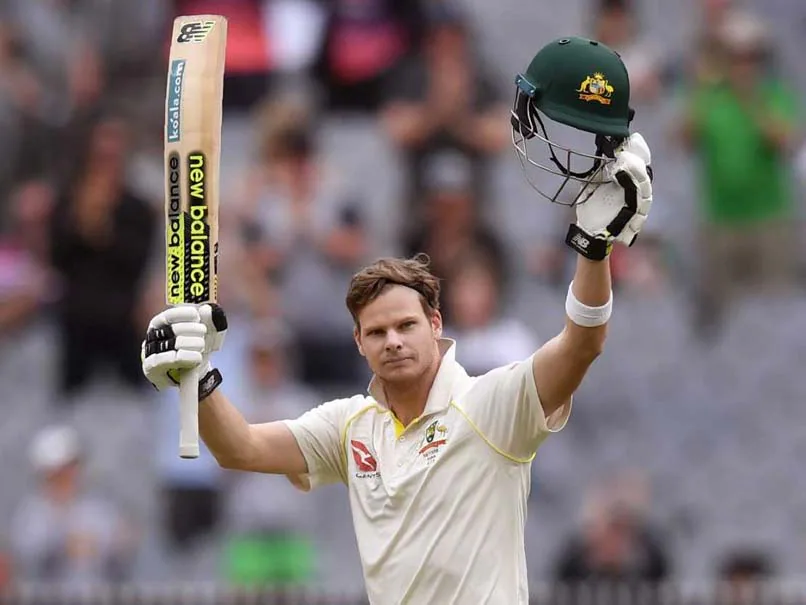
Let’s rewind to February in Sydney. New Zealand in town. Boult’s swinging thunderbolts, Southee’s precision, and Smith? Calm as a monk. He crafts 166 like it’s a casual net session. The man doesn’t hit—he paints. His leaves are art. His flicks through midwicket are poetry.
Then came lockdown.
While most of us were scrolling endlessly and accidentally burning chapatis, Smith was shadow-batting in his hallway, rehearsing every ball, visualizing every bowler. That’s obsession—but also love. Pure, unshakable love for the game.
Fast forward to December. India arrives. Kohli’s men. Bumrah, Shami, Ashwin—the whole crew. The series feels like war in slow motion. First Test, Adelaide. Australia wobbling at 3 for 86. Out walks Smith. He digs in. He doesn’t swing wildly. He builds. He survives. Then he thrives. By the time he’s done, it’s 131 off 226 balls—vintage Smith, textbook patience.
Across that series, he racks up 343 runs at an average near 70. Add his entire year: 1,161 runs in 10 matches, averaging 81.5 with five centuries. That’s not normal. That’s genius.
Sure, Kane Williamson was poetry in motion with 501 runs at an average of 100. Joe Root fought hard for England. Babar Azam shone bright for Pakistan. But Smith? Smith was the heartbeat. He wasn’t just scoring runs—he was anchoring a world gasping for normalcy.
It wasn’t just his bat; it was his spirit. In a year that tested everyone, Smith turned pressure into peace.
ODIs: Smith’s Brain on Fire
ODIs in 2020 were rare gems—precious few, but pure gold when they happened. With tours getting canceled left and right, each game felt like a celebration.
And when Australia faced India in November, it was like the universe had been waiting for this showdown. Bumrah steaming in, Shami swinging it, Jadeja spinning his magic—and then Smith.
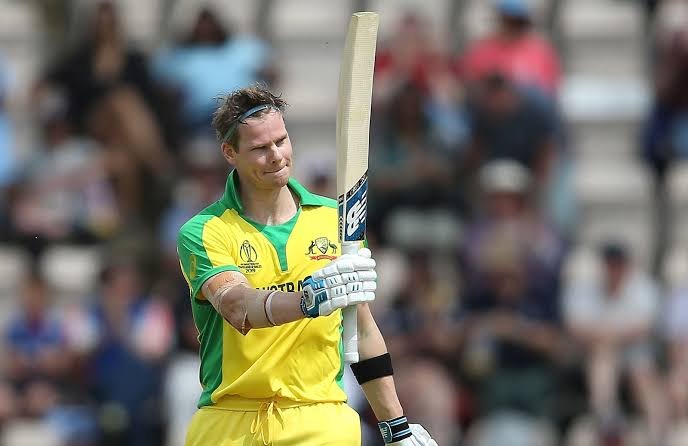
He walks out in Sydney and detonates. 105 off 66 balls. You read that right—66 balls. But it wasn’t mindless hitting. It was calculated madness. Every shot had intention. Every single looked planned two overs ahead. He’d glance Bumrah through third man, then dance down and loft him over cover like he owned the field.
Two days later in Canberra, déjà vu. Another century. 104 off 64. The same calm eyes, the same surgical placement. He made one of the best bowling attacks in the world look like schoolboys on a Sunday afternoon.
By the end of that short series, he had 209 runs at an average of 209. A strike rate of 137. Ridiculous.
And remember—this wasn’t prime batting paradise. This was 2020. Rust, bubbles, fatigue, no rhythm. Yet Smith’s mind ran faster than any bowler’s plan.
Sure, Ross Taylor was steady, Babar Azam elegant, and Shai Hope brave. But Smith’s ODI masterclass wasn’t about stats—it was about domination through intelligence.
He didn’t just play shots. He saw cricket differently.
T20s: The Format That Humbled and Then Crowned Him
Let’s be real—Steve Smith wasn’t supposed to be a T20 hero.
Too technical, too twitchy, they said. This was the format of power-hitters, not chess players.
But 2020 had other plans.
In September, Southampton. England vs. Australia. Jofra Archer firing rockets, Adil Rashid weaving webs. Smith walks in, calm, focused, like he’s walking into an exam he already knows the answers to.
Then he drops that knock—90* off 53 balls. Not wild slogging. Just pure, controlled destruction. He finds gaps you didn’t know existed, ramps deliveries no one else would dare, and ends with a strike rate of 169. It wasn’t brute force. It was brilliance with timing and precision.
He didn’t play a ton of T20s that year, but that innings alone felt like a statement.
“I belong here too.”
Jos Buttler smashed his way through series, Warner bulldozed bowlers, KL Rahul played with flair—but Smith’s innings had something different: elegance in chaos.
It proved that T20 wasn’t just about hitting big. It was about thinking big.
Why Smith Was the Man of 2020
Now, let’s look at the full picture.
Across formats, Smith stacked up over 1,800 runs, averaging above 70, with eight centuries. Tests? Dominance. ODIs? Precision. T20s? Intelligence.
Kohli had fire. Williamson had calm. Babar had grace. But Smith had all three—fused into something rare.
He wasn’t just the “best batsman” statistically; he was the soul of cricket in a soulless year. He gave us hope when the stands were empty. He reminded us that greatness doesn’t need applause—it just needs passion.
And the ICC naming him the Test Cricketer of the Decade wasn’t a gift. It was justice.
The Heart of It All
When we think back to 2020, it won’t be about trophies or records. It’ll be about how Steve Smith made cricket feel alive again.
In a year when everything felt paused, he pressed play. When crowds couldn’t cheer, his bat spoke. When life felt stuck, he moved—gracefully, purposefully, beautifully.
That’s what made him special.
Not just the runs, but the resilience.
Not just the technique, but the heart.
Every drive through cover, every leave outside off, every little fidget before the bowler ran in—it all meant something deeper. It said:
“Cricket isn’t gone. It’s still here. It’s still beautiful.”
And if you ever want to remember what cricket means—not just as a sport, but as a feeling—rewatch Steve Smith in 2020.
He didn’t just play.
He kept cricket alive.
Related Posts

Unpacking 2016: Who Ruled the ODI Roost?
When cricketing historians look back to 2016, one name inevitably…

Hasan Ali: The Unstoppable Force — ICC’s Best Bowler of 2017
Cricket has a way of throwing up stories that make…